
Introduction
Growing healthy cannabis plants requires more than just water and nutrients; proper airflow and ventilation are critical components for ensuring vigorous growth and preventing diseases. In this blog post, we will explore why airflow and ventilation are essential for cannabis plant health, how to achieve optimal conditions, and the benefits you can expect from a well-ventilated grow space.
Why Airflow and Ventilation Matter
Significantly impact the quality and yield of your harvest.
1. Preventing Mold and Mildew
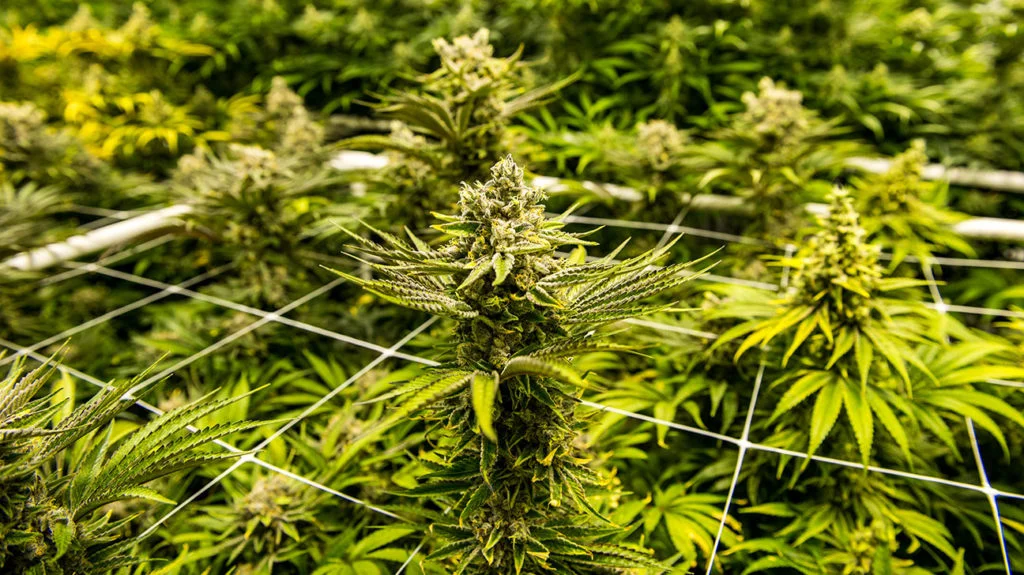
One of the primary reasons airflow and ventilation are vital for cannabis plants health is the prevention of mold and mildew. Stagnant air creates a humid environment where mold and mildew can thrive, leading to diseases such as powdery mildew and botrytis (bud rot). These issues can significantly impact the quality and yield of your harvest.
2. Strengthening Plant Structure
Proper airflow mimics natural outdoor conditions, where plants are exposed to wind. This gentle movement encourages cannabis plants to develop stronger stems and branches, which can support heavier buds during the flowering phase. Without adequate airflow, plants may become weak and susceptible to breaking under the weight of their own flowers.
3. Regulating Temperature and Humidity
Ventilation helps regulate the temperature and humidity levels within your grow space. Cannabis plants prefer a stable environment with temperatures ranging between 70-85°F (20-30°C) during the day and slightly cooler at night. High humidity can lead to mold issues, while low humidity can cause plants to dry out. Proper ventilation ensures these parameters stay within the optimal range.
How to Achieve Optimal Airflow and Ventilation
Measured in cubic feet per minute (CFM).
1. Choosing the Right Equipment
– Inline Fans
Inline fans are essential for moving air in and out of your grow space. They help maintain a constant exchange of fresh air, which is crucial for plant respiration and growth. When selecting an inline fan, consider the size of your grow space and the airflow rate, measured in cubic feet per minute (CFM).
– Oscillating Fans
Oscillating fans are excellent for creating a gentle breeze within the grow area. Position these fans to ensure even air distribution across all plants, preventing hotspots and ensuring that every plant benefits from the airflow.
– Exhaust Systems
An effective exhaust system is necessary to remove stale air and replace it with fresh air from outside. This system typically includes an exhaust fan and ducting. Properly designed exhaust systems also help control odors, which can be a concern for indoor growers.
2. Setting Up Your Ventilation System
– Calculating Air Exchange Rates
To determine the appropriate size of your ventilation system, calculate the air exchange rate needed for your grow space. As a general rule, aim to exchange the air in your grow room once every 1-3 minutes. This means if you have a grow room with a volume of 100 cubic feet, you need a fan that can move at least 33-100 CFM.
– Positioning Fans and Vents
Position intake vents low on the walls and exhaust vents high, as hot air rises. This setup ensures that cooler, fresh air enters from the bottom, and warmer, stale air is expelled from the top. Place oscillating fans at canopy level to promote even airflow across the plants.
– Monitoring and Adjusting
Regularly monitor temperature and humidity levels in your grow space using a reliable hygrometer and thermometer. Adjust fan speeds and vent positions as needed to maintain optimal conditions. Investing in a climate controller can automate this process, providing consistent environmental control.
Benefits of Proper Airflow and Ventilation
Photosynthesis and slowing down plant growth.
1. Improved Photosynthesis and Growth
Adequate airflow enhances the rate of photosynthesis by ensuring a constant supply of carbon dioxide (CO2) to the plants. During photosynthesis, plants absorb CO2 and release oxygen. Without proper ventilation, CO2 levels can drop, limiting photosynthesis and slowing down plant growth.
2. Reduced Pest Infestations
Good airflow and ventilation help keep pest populations in check. Many pests, such as spider mites and fungus gnats, thrive in stagnant, humid environments. By maintaining a well-ventilated grow space, you make it less hospitable for these pests, reducing the likelihood of infestations.
3. Enhanced Terpene Production
Terpenes are the aromatic compounds responsible for the distinct scents and flavors of cannabis. Proper airflow and ventilation can enhance terpene production by reducing environmental stress on the plants. This results in a more aromatic and flavorful final product, which is highly desirable for both medicinal and recreational users.
4. Increased Yield and Quality
Overall, a well-ventilated grow space leads to healthier plants, which translates to higher yields and better-quality buds. Stronger plants can support larger flowers, and reduced disease pressure means more energy is directed towards bud production rather than fighting off infections.
Common Mistakes and How to Avoid Them\
Replace filters as needed to maintain good air quality.
1. Overlooking Fan Maintenance
Fans and filters can accumulate dust and debris over time, reducing their efficiency. Regularly clean and maintain your ventilation equipment to ensure it operates at peak performance. Replace filters as needed to maintain good air quality.
2. Inadequate Airflow
Too little airflow can create hotspots and areas of stagnant air, leading to mold growth and weak plants. Conversely, too much airflow can cause wind burn, where the leaves appear dry and damaged. Balance is key; aim for a gentle, consistent breeze.
3. Neglecting Environmental Monitoring
Failing to regularly monitor and adjust your grow space’s environment can lead to suboptimal conditions. Invest in quality monitoring equipment and check the readings frequently. Automated systems can help maintain consistency, but manual checks are still essential.
Additional Tips for Optimal Airflow and Ventilation
Handle the increased demands when using CO2 generators or tanks.
1. Utilizing CO2 Supplementation
For growers looking to push their plants to their full potential, CO2 supplementation can be a game-changer. By increasing the CO2 levels in your grow space, you can boost photosynthesis and, consequently, plant growth. However, it’s essential to maintain proper ventilation even with CO2 supplementation to prevent the buildup of excess heat and humidity. Ensure your ventilation system can handle the increased demands when using CO2 generators or tanks.
2. Importance of Air Circulation During Different Growth Stages
Airflow needs vary depending on the growth stage of your cannabis plants. During the vegetative stage, robust airflow encourages strong stem and leaf development. In the flowering stage, maintaining proper humidity levels becomes crucial to prevent mold and mildew on the buds. Adjust your ventilation system accordingly to cater to the specific needs of each growth phase.
3. Troubleshooting Ventilation Issues
Even with a well-designed system, you might encounter ventilation challenges. Hotspots, uneven air distribution, or unexpected increases in humidity can all pose problems. Regularly inspect your grow space for any signs of these issues. Utilize additional fans or adjust your existing setup to ensure even airflow throughout the entire space. Sometimes, simple adjustments can make a significant difference in maintaining optimal conditions.
Conclusion
Proper airflow and ventilation are crucial for the health and productivity of cannabis plants. By preventing mold and mildew, strengthening plant structures, and regulating temperature and humidity, you can create an optimal growing environment. Invest in the right equipment, set up your system correctly, and monitor conditions regularly to reap the benefits of a well-ventilated grow space. With these practices in place, you’ll be well on your way to cultivating robust, high-yielding cannabis plants.