
Introduction
Growing cannabis in the rainy season presents unique challenges, especially when it comes to managing soil moisture. Excessive water can lead to root rot, nutrient leaching, and other problems that can affect plant health and yield. This blog post will explore various water management techniques to ensure your cannabis plants thrive even during heavy rains.
Understanding the Importance of Water Management
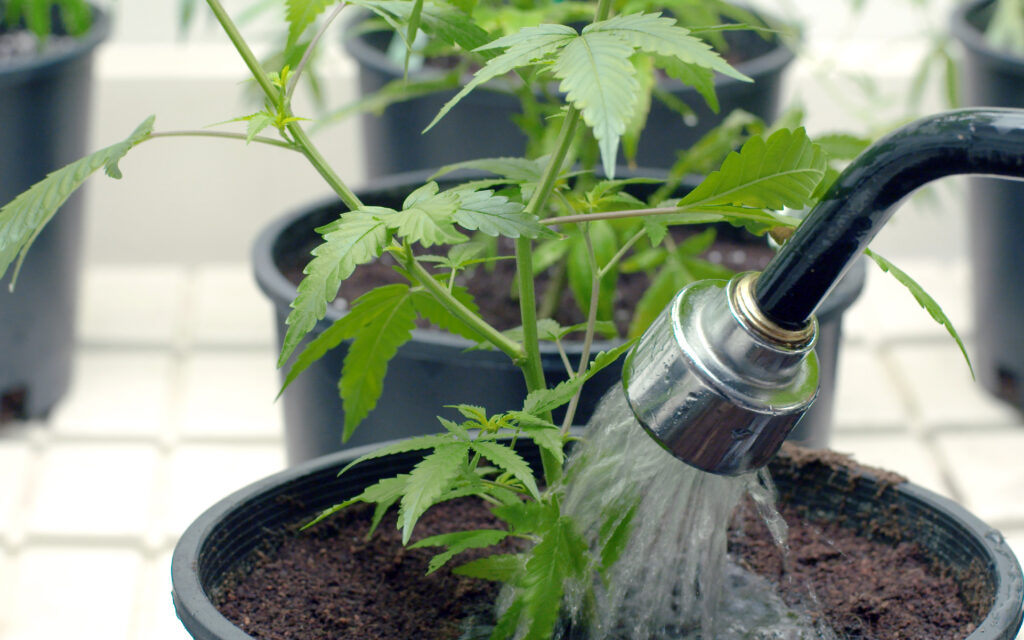
Right amount of moisture without suffering from waterlogged conditions.
1. Why Water Management is Crucial for Cannabis
Cannabis plants require well-drained soil to grow properly. While they need water, too much can be detrimental. Proper water management ensures that plants receive the right amount of moisture without suffering from waterlogged conditions.
2. The Risks of Excess Water
- Root Rot: Excessive water can suffocate roots, leading to rot and plant death.
- Nutrient Leaching: Heavy rains can wash away essential nutrients from the soil.
- Fungal Diseases: Wet conditions promote fungal growth, which can harm plants.
Preparing Your Soil for the Rainy Season
These materials help create air pockets in the soil, allowing excess water to drain away.
1. Selecting the Right Soil
Choose a soil mix that promotes drainage. A well-draining soil mix typically includes components like sand, perlite, and vermiculite.
2. Amending Your Soil
- Perlite: Add perlite to your soil mix to improve aeration and drainage.
- Vermiculite: Vermiculite helps retain some moisture while still allowing excess water to drain.
- Compost: Organic matter like compost can improve soil structure and drainage capabilities.
Implementing Effective Drainage Systems
Raised beds also warm up faster, promoting healthy root growth.
1. Raised Beds
Raised beds are an excellent way to improve drainage. By elevating the soil, you can prevent water from accumulating around the roots.
2. French Drains
French drains are trenches filled with gravel or rock and contain a perforated pipe that redirects surface water away from your cannabis plants. This system helps manage excess water effectively.
3. Slope Planting
Planting on a slight slope can encourage water to run off rather than pool around your plants. This natural drainage method can be especially effective in heavy rain areas.
Mulching Techniques
Including:
1. Benefits of Mulching
Mulching offers several benefits, including:
- Regulating Soil Temperature: Mulch helps keep the soil temperature stable.
- Preventing Soil Erosion: Mulch protects the soil from being washed away by heavy rains.
- Retaining Moisture: While it may seem counterintuitive, mulch can help retain the right amount of moisture by preventing evaporation.
2. Choosing the Right Mulch
Organic mulches like straw, wood chips, or shredded leaves are ideal. These materials break down over time, adding organic matter to the soil and improving its structure.
Watering Practices
It’s essential to strike a balance to avoid overwatering.
1. Watering During Rainy Season
Even during the rainy season, there may be dry spells. Monitor your soil moisture levels regularly to determine when to water. It’s essential to strike a balance to avoid overwatering.
2. Drip Irrigation Systems
Drip irrigation systems deliver water directly to the roots, minimizing water waste and reducing the risk of overwatering. These systems are particularly useful during unpredictable rainy seasons.
Monitoring Soil Moisture
Make informed watering decisions.

1. Soil Moisture Sensors
Soil moisture sensors are valuable tools for maintaining optimal soil moisture levels. These sensors can provide real-time data on the moisture content of your soil, allowing you to make informed watering decisions.
2. Manual Checks
In addition to using sensors, perform manual checks by digging a small hole in the soil. Check the moisture level a few inches below the surface to ensure your plants are not sitting in waterlogged soil.
Addressing Excess Water
Preventing waterlogging and root rot.
1. Installing a Sump Pump
In areas prone to heavy rainfall and flooding, a sump pump can be an effective solution. Sump pumps remove excess water from the soil, preventing waterlogging and root rot.
2. Creating Runoff Channels
Runoff channels can help direct excess water away from your cannabis plants. Dig shallow trenches around your garden to guide water away and prevent it from pooling around your plants.
Preventing Soil Erosion
Soil together and reduce the impact of heavy rains.
1. Cover Crops
Planting cover crops like clover or rye can help prevent soil erosion. These plants have extensive root systems that hold the soil together and reduce the impact of heavy rains.
2. Erosion Control Fabrics
Erosion control fabrics are another effective method. These fabrics are placed on top of the soil to protect it from being washed away during heavy rains.
Dealing with Pests and Diseases
Common issues include:
1. Identifying Common Pests and Diseases
Wet conditions can lead to an increase in pests and diseases. Common issues include:
- Fungal Infections: Mold and mildew thrive in wet conditions.
- Root Rot: Caused by waterlogged soil.
- Pest Infestations: Slugs, snails, and other pests are more prevalent in wet environments.
2. Preventative Measures
- Proper Spacing: Ensure adequate spacing between plants to promote air circulation.
- Regular Inspections: Regularly inspect your plants for signs of pests or disease.
- Natural Predators: Introduce natural predators like ladybugs to control pest populations.
Advanced Water Management Techniques
Watering schedules based on weather conditions, soil moisture levels, and plant needs.
1. Utilizing Smart Irrigation Systems
Smart irrigation systems are becoming increasingly popular among cannabis growers. These systems use real-time data and advanced algorithms to determine the precise amount of water needed for your plants. They can automatically adjust watering schedules based on weather conditions, soil moisture levels, and plant needs.
– Benefits of Smart Irrigation
- Precision Watering: Provides the exact amount of water needed, reducing waste and preventing overwatering.
- Remote Monitoring: Allows you to monitor and control your irrigation system from anywhere using a smartphone or computer.
- Data Insights: Collects data on soil moisture, weather patterns, and plant health, offering valuable insights for optimizing your grow.
2. Hydroponic Systems
For those willing to invest in a more controlled environment, hydroponic systems can be an excellent solution. These systems grow plants in a nutrient-rich water solution instead of soil, eliminating many water management issues associated with the rainy season.
– Advantages of Hydroponics
- Controlled Environment: Allows for precise control over nutrient and water levels.
- Reduced Risk of Disease: Minimizes the risk of soil-borne diseases and pests.
- Efficient Water Use: Uses significantly less water compared to traditional soil-based growing methods.
3. Aeration and Soil Compaction Prevention
Aeration is crucial in maintaining healthy soil, especially during the rainy season. Compacted soil can prevent water from draining properly, leading to waterlogged conditions.
– Methods of Aeration
- Manual Aeration: Use tools like garden forks or aeration shoes to manually aerate the soil.
- Mechanical Aerators: For larger gardens, mechanical aerators can efficiently create air channels in the soil.
- Cover Crops: As mentioned earlier, cover crops can naturally aerate the soil with their root systems.
4. Organic Soil Treatments
Incorporating organic matter into your soil can significantly improve its structure and water management capabilities. Organic treatments enhance soil porosity and microbial activity, promoting better drainage and root health.
– Types of Organic Soil Treatments
- Compost: Adds nutrients and improves soil structure.
- Worm Castings: Enhance microbial activity and improve soil aeration.
- Biochar: Increases soil aeration and nutrient retention.
Addressing Climate-Specific Challenges
Unique challenges of your area and adjust your practices accordingly.
1. Regional Considerations
Water management techniques can vary based on your specific climate and regional weather patterns. It’s essential to understand the unique challenges of your area and adjust your practices accordingly.
– Tropical Climates
In tropical regions with high humidity and frequent rainfall, focus on improving drainage and preventing fungal diseases. Regularly trim plants to improve air circulation and reduce the risk of mold.
– Temperate Climates
In temperate climates with occasional heavy rains, monitor soil moisture closely and adjust watering schedules based on weather forecasts. Use rain gauges to track precipitation and plan accordingly.
2. Preparing for Unexpected Weather Events
Climate change has made weather patterns more unpredictable. Prepare for unexpected heavy rains by having emergency water management solutions in place.
– Emergency Solutions
- Sandbags: Use sandbags to divert water away from your garden during heavy rains.
- Temporary Covers: Use tarps or plastic sheeting to cover plants and prevent excessive water exposure.
- Backup Power: Ensure you have a backup power source for your irrigation and sump pump systems.
Conclusion
Managing soil moisture during the rainy season is crucial for the health and productivity of your cannabis plants. By selecting the right soil, implementing effective drainage systems, using mulching techniques, and monitoring soil moisture, you can ensure your plants thrive even in wet conditions. Remember to take preventative measures against pests and diseases to keep your cannabis garden healthy and bountiful. With these water management techniques, you can successfully navigate the challenges of growing cannabis during the rainy season.