
Introduction
Growing cannabis can be both a rewarding hobby and a lucrative commercial venture, but achieving healthy and potent plants requires a solid understanding of the nutrients they need. Cannabis, like any other plant, requires a delicate balance of nutrients to thrive, develop robust roots, sturdy stems, lush foliage, and fruitful buds. This comprehensive guide covers the essential nutrients required for cannabis growth and how to manage them effectively, ensuring your plants reach their full potential.
Understanding the Basics: Macronutrients and Micronutrients
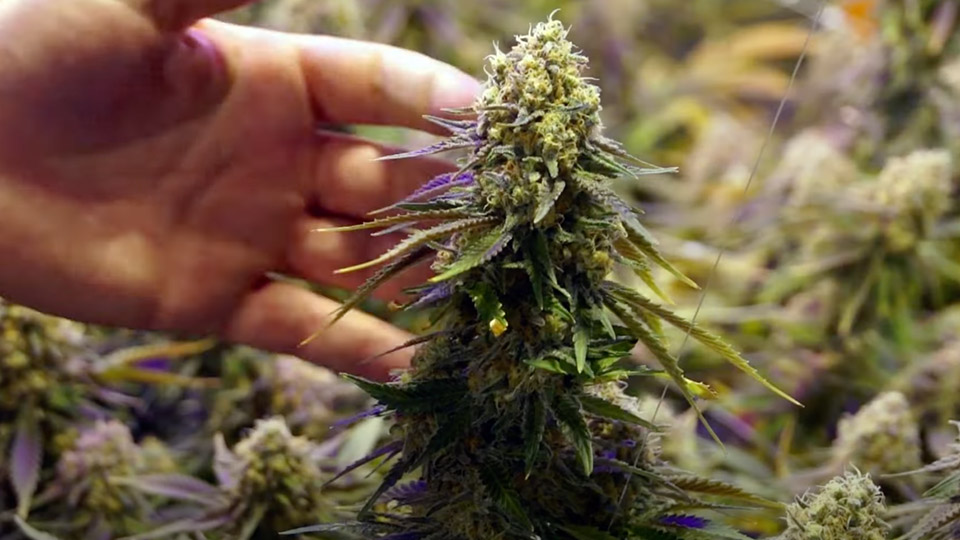
Cannabis plants require a mix of both macronutrients and micronutrients, each serving critical roles in plant development and health. Macronutrients such as nitrogen, phosphorus, and potassium are fundamental for basic plant functions including growth, photosynthesis, and energy transfer. Meanwhile, micronutrients, although required in smaller amounts, are vital for supporting a range of biological processes that ensure plant vitality, improve disease resistance, and enhance the quality and yield of the cannabis buds. Together, these nutrients ensure a holistic development from seed to harvest, affecting everything from the rate of growth to the potency and aroma of the final product.
1. Macronutrients
Macronutrients are required in larger quantities and form the foundation of healthy cannabis growth:
- Nitrogen (N) – Vital for the growth of leaves and stems, nitrogen is a key component of chlorophyll, the green pigment responsible for photosynthesis. It also plays a role in protein synthesis, affecting the overall growth rate of the plant.
- Phosphorus (P) – Essential for energy transfer and photosynthesis, phosphorus is crucial during the flowering phase of cannabis. It helps in root development and the production of potent buds.
- Potassium (K) – Important for overall plant health, potassium aids in photosynthesis, nutrient absorption, and water uptake. It helps strengthen the plant’s abilities to resist diseases and plays a role in the synthesis of proteins and starches.
2. Micronutrients
Although needed in smaller amounts, micronutrients are just as crucial for the balanced growth of cannabis:
- Calcium – Strengthens plant cell walls, aiding in the development of strong stems and leaves.
- Magnesium – A central component of chlorophyll, necessary for photosynthesis.
- Sulfur – Important for protein synthesis and the production of enzymes and vitamins.
- Iron – Required for the synthesis of chlorophyll and acts as a catalyst for chemical reactions.
- Boron – Aids in cell growth and helps in the efficient uptake of calcium.
- Copper – Involved in photosynthesis and the metabolism of carbohydrates and proteins.
- Manganese – Helps in the breakdown of enzymes and chlorophyll production.
- Zinc – Plays a crucial role in growth hormones and enzyme systems.
- Molybdenum – Facilitates the conversion of nitrogen into amino acids.
Also Read: Choosing the Best Soil for Growing Cannabis
The Importance of pH Levels
Understanding and managing soil pH is crucial in nutrient uptake. Cannabis plants typically prefer a slightly acidic environment with a pH of about 6.0 to 7.0. When pH levels fall outside this range, it can lead to nutrient lockout, where the plants cannot absorb nutrients efficiently, regardless of the nutrient levels present in the soil. Regularly testing your soil’s pH and adjusting it using lime (to increase pH) or sulfur (to decrease pH) can help maintain optimal nutrient absorption.
Maintaining the correct pH in your growing medium isn’t just about preventing nutrient lockout; it also affects the microbial life within the soil that supports plant health. Beneficial bacteria and fungi thrive in specific pH conditions and play a role in natural nutrient cycling and disease prevention. Disrupting these conditions can diminish their effectiveness and indirectly impact plant growth and health.
Additionally, certain nutrients are more available in specific pH ranges. For example, iron, manganese, and phosphorus are more soluble and easier for plants to absorb in slightly acidic soils. Conversely, at higher pH levels, these nutrients can become less available, potentially stunting growth and affecting yield. Therefore, regular monitoring and adjusting of soil pH using reliable pH meters or test strips is essential for ensuring that your cannabis plants receive the full benefit of the nutrients applied, leading to healthier plants and more bountiful harvests.
Nutrient Ratios and Growth Stages
The nutrient requirements of cannabis plants change significantly between the vegetative and flowering stages:
- Vegetative Stage: High nitrogen, medium phosphorus, and high potassium.
- Flowering Stage: Lower nitrogen, high phosphorus, and medium to high potassium.
Adjusting these nutrient levels according to the plant’s growth stage will promote healthier growth and optimal yields.
During the vegetative stage, cannabis plants are primarily focused on building as much leaf and stem mass as possible. Nitrogen is crucial during this phase as it is directly involved in the production of chlorophyll, the green pigment responsible for photosynthesis, and amino acids, the building blocks of proteins. Adequate nitrogen ensures lush, vigorous growth which is essential for setting up a strong foundation.
As the plant transitions to the flowering stage, the nutritional focus shifts towards supporting bud formation. Phosphorus plays a pivotal role during this phase, aiding in the development of roots and flowers, and is crucial for the synthesis of ATP, an energy molecule that fuels plant growth. Potassium, while important throughout the entire life cycle, is also vital during flowering for its role in water regulation, enzyme activation, and photosynthesis.
Careful management of these nutrients, particularly the reduction of nitrogen, helps prevent excessive vegetative growth during flowering, which can divert energy away from bud production. Moreover, ensuring that phosphorus and potassium are available in sufficient quantities helps optimize flower size and density, leading to higher yields and better-quality cannabis. To achieve this, growers might consider using specialized fertilizers that are formulated for the specific growth stages of cannabis, ensuring that plants receive the right balance of nutrients at the right time.
Fertilizers and Supplements
Selecting the right fertilizers is critical for providing your cannabis plants with the necessary nutrients. Organic options such as bat guano, bone meal, and fish emulsion are popular choices that can provide a balanced mix of nutrients. Additionally, commercially available cannabis-specific fertilizers often come in “Grow” and “Bloom” formulas tailored to the plant’s growth stages.
For soil-based grows, slow-release granular fertilizers can ensure a steady supply of nutrients. In hydroponic systems, water-soluble fertilizers allow for precise control over nutrient delivery but require careful monitoring to avoid over-fertilization.
Choosing organic fertilizers like bat guano, which is rich in nitrogen, or bone meal, an excellent source of phosphorus, ensures that your plants receive not just macro and micronutrients but also benefit from the natural microbiological activity these materials can encourage in the soil. This microbial activity can help improve soil structure and nutrient availability, fostering a more sustainable growing environment. Fish emulsion, while providing a quick nitrogen boost, also supplies some trace elements enhancing overall plant health.
In contrast, hydroponic systems demand a different approach. Water-soluble fertilizers are favored here because they dissolve completely, providing immediate nutrient availability. These solutions must be carefully balanced and frequently adjusted based on the plant’s growth stage and visible health indicators. Over-fertilization, a common issue in hydroponic setups, can lead to nutrient burn, indicated by the yellowing and crisping of leaf tips. Regularly checking electrical conductivity (EC) levels in the water can help growers monitor and adjust nutrient concentrations to optimal levels.
For growers who prefer a more hands-off approach, slow-release granular fertilizers are ideal for soil-based grows. These fertilizers break down slowly, releasing nutrients gradually, which minimizes the risk of over-fertilization and reduces the frequency of nutrient application. This method allows for a “set it and forget it” approach, whereby the plant can access nutrients as needed without constant gardener intervention, making it ideal for beginners or those with less time for daily garden management.
Common Nutrient Deficiencies and Their Signs
Being able to identify signs of nutrient deficiencies can save your crop from severe issues:
- Nitrogen deficiency is marked by yellowing and wilting of lower leaves.
- Phosphorus deficiency shows up as dark green or purple leaves and stunted growth.
- Potassium deficiency is indicated by yellowing leaf edges and scorched tips.
Conclusion
Growing cannabis successfully involves more than just planting seeds and watering them. Understanding the complex nutritional needs of your cannabis plants can lead to robust growth and abundant yields. By mastering the balance and timing of nutrient application, monitoring soil pH, and recognizing the signs of nutrient deficiencies, you can optimize your cannabis cultivation and enjoy the fruits of your labor.