
As cannabis cultivation continues to grow in popularity, both for personal and commercial use, understanding the potency of cannabis plants has become an essential skill. Potency, typically measured in terms of THC (tetrahydrocannabinol) and CBD (cannabidiol) levels, determines the effects and medicinal value of the plant. Whether you’re a grower, consumer, or researcher, knowing how to accurately assess the potency of cannabis is crucial for ensuring the quality and consistency of the product.
In this blog post, we’ll walk you through various methods for checking the potency of cannabis plants, from visual cues to advanced testing techniques.
What is Cannabis Potency?
Cannabis potency refers to the strength or concentration of cannabinoids, primarily THC and CBD, in a cannabis plant. THC is the psychoactive compound responsible for the “high,” while CBD offers medicinal benefits without the intoxicating effects. Potency is measured as a percentage of the weight of cannabinoids in the flower, with high-potency cannabis typically containing THC levels above 20%, while CBD-dominant strains can have higher CBD percentages and low THC.
Factors That Affect Cannabis Potency
Before exploring testing methods, it’s important to understand that several factors influence the potency of a cannabis plant, including:
- Genetics: The genetic makeup of the cannabis seed plays a significant role in determining the cannabinoid content. Some strains are naturally high in THC, while others may be CBD-dominant or offer a balanced mix of both.
- Growing Conditions: Light, temperature, humidity, and nutrient availability all affect the development of cannabinoids. Optimal growing conditions will help maximize the potency of your cannabis plants.
- Harvest Timing: The timing of the harvest also impacts potency. Harvesting too early can result in lower cannabinoid levels, while waiting too long can cause THC to degrade into CBN (cannabinol), reducing psychoactive effects.
- Curing and Storage: Properly curing and storing cannabis helps preserve its potency. Poor storage conditions, such as exposure to light and heat, can degrade THC and CBD over time.
Now that we’ve covered the basics, let’s dive into the methods you can use to check for the potency of your cannabis plants.
Visual Inspection: A Basic Approach
While not the most accurate method, visual inspection can provide some clues about the potential potency of cannabis plants. Experienced growers often rely on these visual cues to get a rough estimate of how potent a plant may be:
- Trichomes
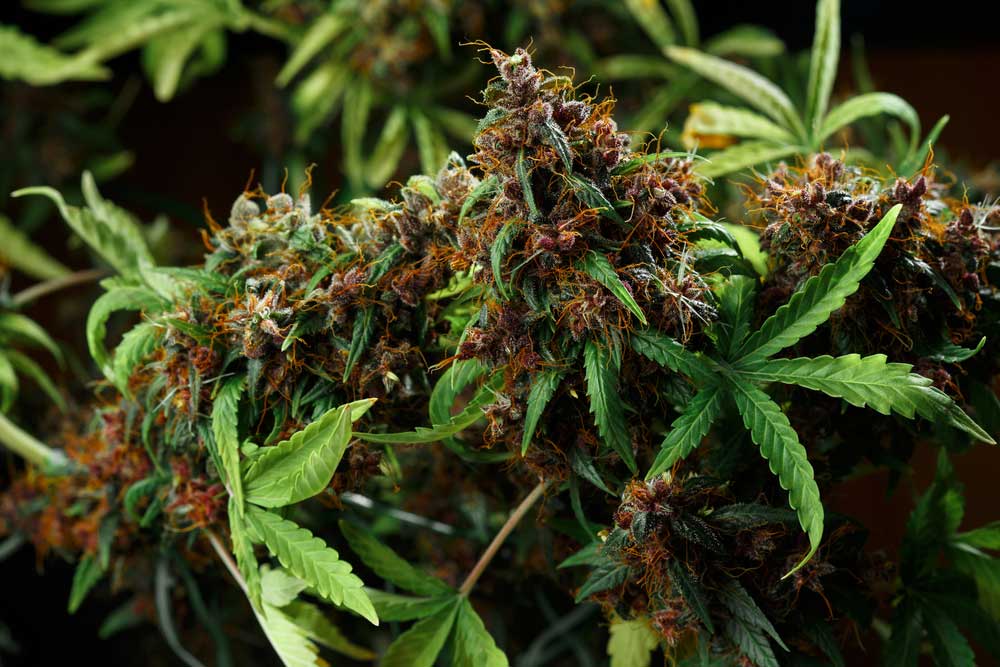
Trichomes are tiny, crystal-like structures that cover the surface of cannabis flowers and leaves. These glandular structures are responsible for producing cannabinoids and terpenes. Plants with a dense layer of trichomes are likely to be more potent, as they contain higher concentrations of cannabinoids.- Milky or cloudy trichomes indicate that THC is at its peak, while amber trichomes suggest that THC is starting to degrade into CBN.
- Bud Structure
The appearance and density of the buds can also hint at potency. Dense, resinous buds typically indicate high cannabinoid content, while airy or underdeveloped buds may have lower potency. - Aroma
A strong, pungent aroma can be a sign of high terpene levels, which often correlate with higher cannabinoid content. While the smell doesn’t directly indicate potency, it can offer insight into the plant’s quality.
DIY Methods for Estimating Potency
If you’re looking for more accuracy than visual inspection can provide but don’t have access to professional labs, there are several DIY methods for estimating the potency of cannabis plants:
1. Microscopic Examination of Trichomes
Using a handheld microscope or jeweler’s loupe, you can closely examine the trichomes on your cannabis plants. As mentioned earlier, trichomes start clear, turn cloudy or milky when THC reaches its peak, and eventually turn amber as the cannabinoids degrade.
- Milky trichomes: This is the optimal time to harvest for maximum THC potency.
- Amber trichomes: Harvesting at this stage results in a more sedative effect due to increased CBN.
While this method won’t give you a precise THC percentage, it can help determine the right time to harvest for peak potency.
2. Home Potency Test Kits
Several companies offer home testing kits that allow you to measure the THC and CBD content of your cannabis. These kits typically involve:
- Grinding a sample of the cannabis flower.
- Adding a solvent to extract cannabinoids.
- Using color-changing reagents or test strips to estimate the cannabinoid content.
While home test kits provide a general estimate, they are not as accurate as lab testing. They can, however, be a useful tool for hobbyists looking to get a quick read on their plant’s potency.
Advanced Testing Methods for Accurate Potency
For the most precise and reliable potency readings, advanced testing methods are necessary. These methods are often used by commercial growers, cannabis dispensaries, and researchers to ensure consistency and quality.
1. High-Performance Liquid Chromatography (HPLC)
High-Performance Liquid Chromatography (HPLC) is the gold standard for testing cannabis potency. This method accurately measures the concentration of cannabinoids in a sample by separating the chemical components and detecting them individually.
HPLC involves the following steps:
- A small cannabis sample is dissolved in a solvent.
- The solution is passed through a chromatography column, where cannabinoids are separated based on their chemical properties.
- A detector measures the concentrations of THC, CBD, CBN, and other cannabinoids.
HPLC provides highly accurate and detailed results, including the percentage of cannabinoids in the plant. This method is commonly used in licensed testing labs.
2. Gas Chromatography (GC)
Gas Chromatography (GC) is another lab-based testing method that can measure the potency of cannabis. In this technique, the cannabis sample is vaporized, and the gas is passed through a column where cannabinoids are separated and detected.
While GC is effective at measuring cannabinoid content, it requires the sample to be heated, which can cause some cannabinoids (like THCA) to convert into THC. As a result, it may not be as accurate for measuring raw cannabinoids like THCA and CBDA.
3. Mass Spectrometry
Mass spectrometry is often used in combination with HPLC or GC to identify and quantify cannabinoids in cannabis plants. This technique works by ionizing the cannabinoids and measuring their mass-to-charge ratio, providing precise information about the chemical composition of the sample.
Mass spectrometry is highly sensitive and can detect trace amounts of cannabinoids, making it a valuable tool for research and quality control in commercial cannabis production.
4. Thin-Layer Chromatography (TLC)
For a more affordable lab option, Thin-Layer Chromatography (TLC) can be used to measure cannabis potency. In TLC, a cannabis extract is placed on a glass plate coated with a thin layer of silica gel. The plate is then placed in a solvent, which carries the cannabinoids up the gel layer at different rates, separating them based on their molecular structure.
The resulting spots on the plate are compared to known standards, giving a rough estimate of the cannabinoid content. While TLC is not as precise as HPLC or GC, it is a more accessible option for smaller labs or home growers.
Factors to Consider When Testing Potency
When testing cannabis potency, keep the following factors in mind:
- Sample Size and Quality For accurate results, it’s important to use representative samples from the plant. Potency can vary between different buds on the same plant, so taking samples from different areas will provide a more accurate assessment.
- Freshness of the Sample The cannabinoid profile of cannabis changes over time as THC degrades into CBN and other cannabinoids. For the most accurate potency readings, test freshly harvested and properly cured buds.
- Testing Environment The environment in which you test cannabis can also affect the results. Temperature, humidity, and exposure to light can alter cannabinoid levels, so it’s important to store samples in a cool, dark place until testing.
Read Also : Water Management Techniques for Cannabis Soil in the Rainy Season
Conclusion: Finding the Right Potency Testing Method
Determining the potency of your cannabis plants is essential for ensuring that you achieve the desired effects, whether you’re growing for recreational use or medical purposes. The method you choose to test potency will depend on your needs, resources, and the level of accuracy required.
- For hobbyists, visual inspection, microscopic examination, and home testing kits offer a quick and simple way to estimate potency.
- For commercial growers and researchers, advanced lab testing methods like HPLC, GC, and mass spectrometry provide precise and reliable results.
By regularly checking the potency of your cannabis plants and optimizing your growing conditions, you can produce high-quality cannabis that consistently meets your desired standards. Whether you’re looking for high THC levels or medicinal CBD content, understanding potency is key to unlocking the full potential of your cannabis cultivation efforts.