
Cannabis consumption in Canada has been legal for both recreational and medicinal purposes since 2018, following the passing of the Cannabis Act. However, while cannabis may be federally legalized, each province and territory in Canada has the authority to set its own rules regarding the sale, possession, and consumption of cannabis. This can create confusion for individuals traveling across provincial borders, as the consumption limits may vary depending on where you are.
In this blog post, we will explore the cannabis consumption limits when traveling between provinces in Canada, helping you stay within the law no matter where your travels take you.
Understanding Federal and Provincial Cannabis Laws
Cannabis in Canada is regulated by both federal and provincial laws. The federal government has established certain baseline rules through the Cannabis Act, which apply nationwide. These include:
- The legal age for cannabis consumption is 18, although provinces can increase the minimum age.
- Adults may possess up to 30 grams of dried cannabis (or its equivalent in other forms) in public.
- Cannabis may be purchased from government-approved or licensed private retailers.
However, individual provinces have the authority to implement stricter rules regarding where cannabis can be purchased, where it can be consumed, and how much can be possessed. This means that cannabis consumption limits can vary significantly depending on which province or territory you are in.
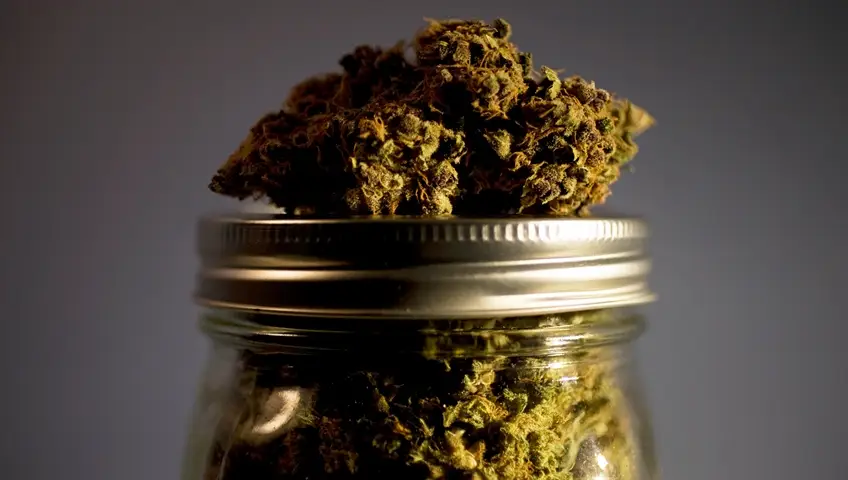
What Are the National Cannabis Possession Limits?
Before diving into provincial differences, it’s essential to understand the national guidelines. The federal possession limit for cannabis is 30 grams of dried cannabis (or its equivalent in non-dried forms) for recreational use. These forms include:
- Edibles: 450 grams (15 oz)
- Concentrates: 7.5 grams
- Cannabis oils: 70 grams
- Fresh cannabis: 150 grams
This 30-gram rule applies in all provinces and territories, but the methods of consumption, regulations around purchasing, and consumption locations may change as you move between regions.
Cannabis Consumption Limits by Province
As you travel between provinces, it is essential to know the local laws surrounding cannabis. Although the federal limit remains constant, how provinces handle consumption can differ, especially in public spaces. Let’s take a closer look at some of the regulations in key provinces:
Ontario
Ontario allows individuals 19 years or older to possess up to 30 grams of cannabis in public. You can consume cannabis in private residences and certain public areas where smoking is permitted, such as sidewalks. However, cannabis cannot be consumed in enclosed public spaces, schools, or motor vehicles.
Quebec
Quebec is stricter regarding cannabis consumption, with the legal age set at 21. Public consumption is banned in most places, including parks and bus stops. However, possession limits are the same as the federal rule: 30 grams in public and up to 150 grams at home.
Alberta
Alberta allows individuals 18 and older to possess up to 30 grams of cannabis in public. Consumption is legal in many public areas, but it is banned in places like playgrounds, outdoor sports fields, and near hospitals.
British Columbia
British Columbia allows for the possession of up to 30 grams in public spaces, and individuals 19 years or older can consume cannabis in private residences and some designated public spaces, such as parks where smoking is allowed. It’s important to note that cannabis cannot be consumed in vehicles or any enclosed public areas.
Manitoba
In Manitoba, the legal age for cannabis possession and consumption is 19, and public consumption is strictly banned. While the possession limit remains 30 grams in public, Manitoba has tighter restrictions, including a ban on growing cannabis at home.
Saskatchewan
Like other provinces, Saskatchewan enforces the 30-gram possession limit in public spaces. Cannabis consumption is allowed in private residences but is prohibited in all public spaces, making it one of the stricter provinces.
Traveling Between Provinces: What You Need to Know
If you are planning a road trip or air travel across provinces, there are important considerations regarding cannabis consumption limits. Since each province has its own rules, here are key factors to keep in mind to avoid potential legal issues.
1. Respect Provincial Laws on Public Consumption
Each province has its own rules on where cannabis can be consumed. While some provinces like Alberta and British Columbia allow for consumption in certain public spaces, others, such as Quebec and Manitoba, have stricter rules. Be sure to research the specific laws of the province you are traveling to and refrain from consuming cannabis in public spaces if it is prohibited.
2. Cannabis and Driving Laws
Driving under the influence of cannabis is illegal across all provinces in Canada. In addition, each province may have specific rules regarding cannabis in vehicles. For instance, some provinces require that cannabis be stored in closed packaging and placed in a part of the vehicle that is inaccessible to the driver and passengers, similar to open alcohol container laws. When traveling between provinces, ensure that your cannabis is properly stored and never consume it while driving.
3. Flying with Cannabis Within Canada
It is legal to carry cannabis on domestic flights in Canada, provided you are within the legal possession limit of 30 grams. When flying from one province to another, always check the rules at your destination, especially if there are stricter limits on where and how you can consume cannabis. Cannabis must be in your carry-on luggage and within the allowed possession limits. Keep in mind that while it’s legal to fly with cannabis within Canada, flying internationally with cannabis is illegal, even to countries where cannabis is legalized.
4. Crossing Provincial Borders
While crossing borders between provinces, the 30-gram possession limit remains in place. However, you should be mindful of the rules regarding cannabis consumption and purchase in your destination province. Some provinces have stricter laws on where you can purchase cannabis, such as Quebec’s state-run dispensaries, while others like Ontario and Alberta offer both private and government-operated retailers.
5. Home-Growing Cannabis
Although the federal government allows adults to grow up to four cannabis plants per household, not every province permits home-growing. For instance, growing cannabis is illegal in Manitoba and Quebec, while it is allowed in places like British Columbia and Ontario. If you are planning on transporting cannabis plants or seeds between provinces, ensure that the province you are entering permits home cultivation.
Tips for Cannabis Consumers While Traveling
If you are a cannabis consumer and plan to travel between provinces, here are a few tips to ensure that you stay compliant with provincial laws:
- Research your destination’s cannabis laws: Before you travel, check the local cannabis regulations in the province you are visiting.
- Plan your consumption carefully: Be mindful of the places where cannabis consumption is allowed, and never consume cannabis in prohibited public areas.
- Store your cannabis safely: Keep cannabis in sealed containers and store it properly when driving or flying.
- Be aware of penalties: Overstepping cannabis possession or consumption limits can lead to fines, so always follow the law.
Conclusion
Traveling between provinces in Canada with cannabis requires a good understanding of both federal and provincial laws. While the national possession limit of 30 grams applies across the country, consumption regulations and public use rules vary significantly from one province to another. By staying informed and respecting local laws, you can ensure a safe and legal cannabis experience during your travels across Canada.