
Growing cannabis at home offers autonomy, quality control, and the satisfaction of nurturing your own medicine. Yet, traditional cultivation methods can strain natural resources, generate excessive waste, and contribute to environmental degradation. Embracing sustainable cannabis cultivation not only benefits the planet but also improves plant health and potency. This guide explores eco-friendly practices—from soil selection to energy-efficient lighting—that every home grower can adopt for a greener, more responsible harvest.
Why Sustainability Matters in Home Cannabis Cultivation
Cannabis is a thirsty, nutrient-hungry plant. Without mindful practices, home grows can consume vast amounts of water, electricity, and chemical inputs. By prioritizing sustainability, growers reduce their carbon footprint, conserve resources, and foster healthier ecosystems.
Environmentally responsible cultivation also appeals to increasingly eco-conscious consumers. Demonstrating commitment to green growing can enhance your reputation, whether you’re sharing harvests with friends or participating in legal markets. Ultimately, sustainable practices create a win–win: thriving plants and a healthier planet.
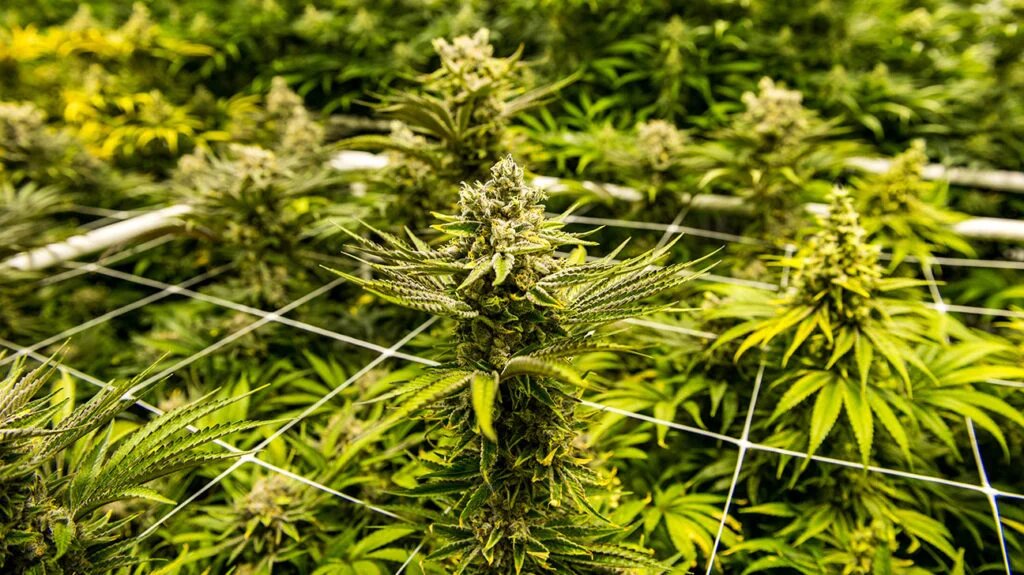
Choosing the Right Environmentally Friendly Growing Medium
Your choice of substrate sets the foundation for sustainable cultivation. Opting for organic, reusable, and low-impact media fosters robust root systems while minimizing waste and chemical runoff.
Organic Soil Alternatives
Rich, living soil mimics natural ecosystems. Mix compost, worm castings, and biochar to create a self-sustaining medium that feeds plants through microbial activity. Organic soil often decomposes more slowly and retains moisture better, reducing watering frequency and runoff.
Hydroponics with Natural Nutrients
Hydroponic systems can be eco-friendly when paired with organic nutrient solutions derived from kelp, fish emulsion, or compost teas. Recirculating water systems minimize waste, and soilless media like coconut coir is renewable, biodegradable, and retains air and water effectively for healthy roots.
Water Conservation Techniques
Cannabis’s water needs make conservation vital. Adopting water-saving methods not only lowers your utility bills but also shields local ecosystems from over-extraction.
Rainwater Harvesting
Collecting rainwater from gutters into barrels provides a free, chemical-free water source. Filter and store rainwater for irrigation, ensuring plants receive pH-neutral, soft water that’s free of chlorine and other additives found in tap sources.
Drip Irrigation Systems
Drip lines deliver water directly to the root zone in measured amounts, cutting waste from runoff and evaporation. Timers automate irrigation schedules to match plant needs and growth stages, preventing overwatering and promoting consistent moisture levels.
Energy-Efficient Lighting Solutions
Indoor grows can be energy-intensive, but modern lighting innovations allow home growers to reduce electricity consumption without sacrificing yields.
LED Grow Lights
High-efficiency LEDs produce targeted light spectra with minimal heat output. Quality LED fixtures can reduce electricity use by up to 50% compared to traditional HID lamps, and their longer lifespan means fewer replacements and less electronic waste.
Solar-Powered Systems
Integrating solar panels offsets grid electricity usage. While upfront costs can be higher, solar installations yield long-term savings and near-zero operational emissions. Even small arrays can power LED rigs or ventilation fans, significantly shrinking your carbon footprint.
Integrated Pest Management (IPM)
Chemical pesticides harm beneficial insects and can contaminate soil and water. An IPM approach leverages natural checks and balances to control pests while safeguarding plant and environmental health.
Beneficial Insects and Biological Controls
Introducing ladybugs, predatory mites, or nematodes targets common cannabis pests like aphids and spider mites without synthetic chemicals. These allies establish a balanced ecosystem in your grow area and provide long-term pest suppression.
Organic Pesticides and Preventative Measures
Neem oil, insecticidal soaps, and horticultural oils offer biodegradable alternatives for spot treatments. Pair these with preventative hygiene—clean tools, sanitized pots, and quarantined new plants—to minimize infestations before they start.
Waste Reduction and Recycling
Every stage of cultivation—from potting to packaging—produces waste. Embracing a circular mindset turns potential trash into valuable resources.
Composting Plant Waste
Trimmed leaves, spent soil, and root masses can be composted alongside kitchen scraps to create nutrient-rich amendment. Proper aeration and moisture control in your compost pile accelerate decomposition, returning organic matter to the garden.
Reusing and Repurposing Containers
Plastic pots, seedling trays, and fabric grow bags can be cleaned and reused across multiple cycles. Containers past their prime find new life as plant propagation cups, tool organizers, or craft materials, diverting waste from landfills.
Best Practices for Sustainable Harvesting and Post-Harvest Handling
Sustainability extends beyond the grow phase into harvesting, drying, and packaging. Mindful post-harvest methods preserve product quality while reducing environmental impact.
Low-Impact Drying and Curing Methods
Air-drying in a dark, well-ventilated space uses no electricity. Hanging trimmed branches on natural jute string or bamboo racks allows slow, even drying that enhances terpene retention. Glass jar curing reduces mold risk and requires minimal energy.
Eco-Friendly Packaging Options
Opt for compostable or recyclable packaging—such as kraft paper bags, glass jars, or aluminum tins—over single-use plastics. Clearly label containers for reuse and encourage peers or customers to return packaging for refills, fostering a circular economy.
Embracing Community and Knowledge Sharing
Sustainable cultivation thrives on community collaboration. Exchange tips, swap cuttings, and participate in seed-saving initiatives with local grower groups. Sharing successes and challenges accelerates innovation and ensures sustainable methods evolve with industry best practices.
Workshops, online forums, and social media channels connect home growers, enabling collective problem-solving around water rights, energy costs, and eco-friendly pest solutions. By pooling knowledge, you amplify the impact of individual efforts and promote broader adoption of green growing.
Read Also : Cannabis Consumption Limits When Traveling Between Provinces in Canada
Conclusion
Sustainable cannabis cultivation empowers home growers to align personal health goals with environmental stewardship. From selecting organic soils and conserving water to harnessing energy-efficient lighting and embracing integrated pest management, every practice contributes to a cleaner, healthier planet. By reducing waste, recycling resources, and sharing knowledge, you not only enhance your garden’s resilience but also model responsible cultivation for the broader community. Adopt these eco-friendly practices today, and watch your cannabis thrive—knowing your harvest supports both wellness and the earth.