
Introduction
Cannabis interacts with one of the body’s most important regulatory systems — the endocannabinoid system. Whether used for medical or recreational purposes, its effects go far beyond just mood changes.
Understanding how cannabis affects the brain and body can help individuals make informed decisions and better understand its short-term and long-term impact.
What Happens When You Use Cannabis?
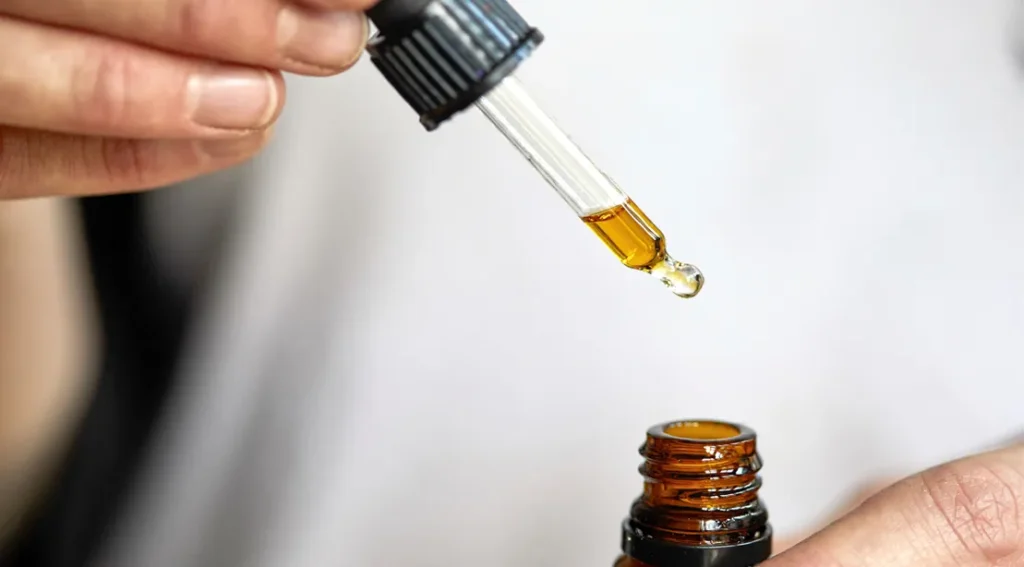
Cannabis contains over 100 naturally occurring compounds called cannabinoids. The two most studied are:
- THC (tetrahydrocannabinol) – the psychoactive compound responsible for the “high”
- CBD (cannabidiol) – non-intoxicating and widely researched for therapeutic potential
Both compounds interact with the body’s endocannabinoid system (ECS), a network of receptors that helps regulate:
- Mood
- Memory
- Pain
- Appetite
- Sleep
- Immune response
The ECS includes two primary receptors:
- CB1 receptors – found mainly in the brain and central nervous system
- CB2 receptors – found primarily in immune cells and peripheral tissues
THC binds strongly to CB1 receptors, while CBD influences them more indirectly.
Effects on the Brain
1️⃣ Mood and Emotions
THC stimulates dopamine release, which can create feelings of euphoria or relaxation. However, in higher amounts, it may also cause anxiety or paranoia in some individuals.
CBD, on the other hand, is being studied for its potential calming effects without intoxication.
2️⃣ Memory and Learning
The hippocampus — a brain region involved in memory formation — has a high concentration of CB1 receptors.
Short-term cannabis use may temporarily impair:
- Memory retention
- Focus
- Learning ability
These effects usually fade as the compound leaves the system, though frequent heavy use may have longer-term cognitive implications.
3️⃣ Coordination and Reaction Time
Cannabis can affect the cerebellum and basal ganglia, areas responsible for movement and coordination.
Possible short-term effects include:
- Slower reaction time
- Reduced motor coordination
- Impaired judgment
This is why driving under the influence of cannabis is unsafe and illegal in many regions.
4️⃣ Mental Health Impact
Research is ongoing, but cannabis may influence mental health differently depending on:
- Dosage
- THC concentration
- Age of use
- Genetic predisposition
High-THC products may increase the risk of anxiety or psychotic symptoms in vulnerable individuals. Early and heavy use during adolescence may also impact brain development.
Effects on the Body
1️⃣ Pain Perception
Cannabis may alter how the brain processes pain signals. This is why medical cannabis is sometimes considered for chronic pain conditions.
CBD and THC may reduce inflammation and modify pain pathways.
2️⃣ Appetite and Metabolism
THC can stimulate appetite — commonly known as “the munchies.” It activates brain regions that enhance the sensory experience of food.
This effect may be helpful for patients experiencing appetite loss due to medical treatments.
3️⃣ Heart Rate and Circulation
Short-term cannabis use may:
- Increase heart rate
- Slightly raise blood pressure immediately after use
- Cause temporary dizziness
People with cardiovascular conditions should consult a healthcare professional before use.
4️⃣ Immune System Interaction
CB2 receptors are involved in immune regulation. Some research suggests cannabinoids may have anti-inflammatory properties, though more clinical studies are needed.
5️⃣ Sleep Patterns
Cannabis may:
- Help some individuals fall asleep faster
- Alter REM sleep cycles
- Reduce dream recall
Long-term use may impact natural sleep architecture, so moderation and medical guidance are important.
Short-Term vs Long-Term Effects
| Short-Term Effects | Possible Long-Term Effects |
|---|---|
| Relaxation or euphoria | Tolerance development |
| Altered perception | Dependence in some users |
| Impaired coordination | Potential cognitive changes with heavy use |
| Increased appetite | Mental health impact in susceptible individuals |
Not everyone experiences the same effects. Individual biology, frequency of use, and product potency all play a role.
Age Matters
The brain continues developing into the mid-20s. Early and frequent cannabis use during adolescence may influence brain structure and cognitive development.
This is one reason many health organizations recommend avoiding cannabis use during teenage years and pregnancy.
Medical vs Recreational Impact
Medical cannabis is typically:
- Prescribed in controlled doses
- Carefully monitored
- Designed to target specific symptoms
Recreational products may vary widely in THC concentration, which can significantly change effects on the brain and body.
Is Cannabis Harmful?
Cannabis is not harmless — but its risks vary depending on:
- Dose
- Frequency
- Potency
- Age of user
- Underlying health conditions
Responsible use, proper education, and medical supervision (when used therapeutically) are key to minimizing risks.
Also Read: Cannabis Microdosing: How to Get the Benefits Without the High
The Bottom Line
Cannabis affects the brain and body by interacting with the endocannabinoid system, influencing mood, memory, pain perception, appetite, sleep, and more.
While it may offer therapeutic potential for certain conditions, it can also carry risks — particularly with high-THC products, early use, or heavy consumption.
As research continues to evolve, informed and responsible decision-making remains essential.