
Introduction
Cannabis has transformed from a niche plant to a mainstream wellness and recreational option. With its increasing legalization and acceptance worldwide, consumers face an incredible variety of cannabis strains—each offering distinct effects, flavors, and medicinal properties. Whether you are a first-time user seeking relief or a seasoned consumer looking to optimize your experience, selecting the right cannabis strain is essential.
Choosing the perfect strain tailored to your needs involves understanding more than just indica or sativa labels. It requires knowledge of cannabinoids, terpenes, consumption methods, and even personal body chemistry. This comprehensive guide explores everything you need to know to confidently choose a cannabis strain that works best for you.
1. Cannabis Basics: Indica, Sativa, and Hybrid
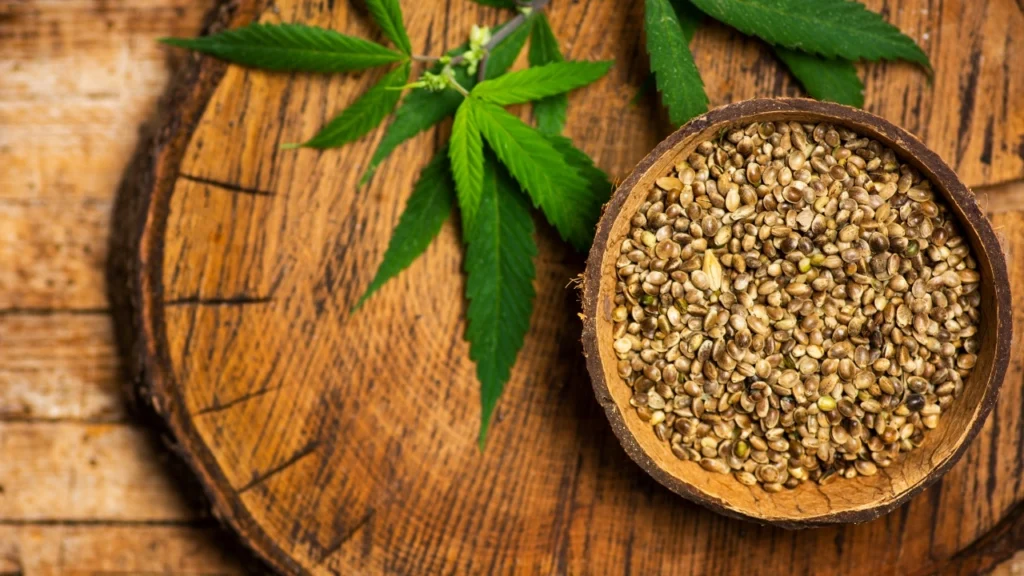
When you enter a dispensary or browse online, the most common classification you’ll encounter is indica, sativa, or hybrid. This traditional categorization serves as a starting point for understanding effects but doesn’t tell the whole story.
Indica Strains
Indica plants are generally short, bushy, and fast-flowering. They are associated with relaxing, sedative effects that many users find helpful for unwinding, pain relief, insomnia, and anxiety reduction. Indicas often have a heavy “body high,” promoting physical relaxation and calm.
Common indica effects:
- Deep relaxation
- Sleep aid
- Muscle tension relief
- Appetite stimulation
- Anxiety reduction
Popular indica strains include Northern Lights, Granddaddy Purple, and God’s Gift.
Sativa Strains
Sativa plants grow taller, with narrow leaves and longer flowering times. Sativa strains are typically energizing and uplifting, often used to boost creativity, focus, and mood. They produce a more cerebral or “heady” high.
Common sativa effects:
- Increased energy
- Enhanced focus and creativity
- Mood elevation
- Social engagement
Popular sativa strains include Sour Diesel, Jack Herer, and Durban Poison.
Hybrid Strains
Hybrids combine characteristics of indica and sativa, offering a balance of effects that can lean toward either side or be perfectly balanced. Growers create hybrids to target specific therapeutic effects or consumer preferences.
Examples of hybrid uses:
- Daytime relaxation with mild euphoria
- Pain relief without sedation
- Balanced mood lift and calmness
Examples include Blue Dream (sativa-dominant hybrid), Girl Scout Cookies (balanced hybrid), and OG Kush (indica-dominant hybrid).
2. Understanding Cannabinoids: THC, CBD, and More
The effects you feel after consuming cannabis come from cannabinoids—chemical compounds that interact with your body’s endocannabinoid system. The two most researched cannabinoids are THC and CBD.
THC (Tetrahydrocannabinol)
THC is the primary psychoactive component of cannabis, responsible for the euphoric “high.” It binds to cannabinoid receptors in the brain and nervous system, affecting mood, memory, pain, and appetite.
Benefits of THC:
- Pain relief
- Euphoria and relaxation
- Appetite stimulation
- Anti-nausea effects
Possible side effects:
- Anxiety or paranoia (especially in high doses)
- Dry mouth
- Red eyes
- Impaired memory or coordination
THC levels in strains vary widely, from less than 5% in low-THC products to over 30% in some potent strains.
CBD (Cannabidiol)
CBD is non-intoxicating and doesn’t cause a high. Instead, it interacts with the body’s receptors differently, often moderating the effects of THC. CBD is prized for its anti-inflammatory, anxiolytic, and neuroprotective properties.
Benefits of CBD:
- Reduces anxiety
- Eases inflammation and pain
- May help with epilepsy and seizures
- Supports mental health
CBD-rich strains are preferred by those seeking therapeutic effects without intoxication.
Other Cannabinoids
While THC and CBD dominate the spotlight, other cannabinoids like CBG, CBC, and CBN are emerging in research. Each may offer unique benefits, contributing to the overall effect of a strain.
3. The Role of Terpenes: More Than Just Aroma
Terpenes are aromatic compounds found in many plants, including cannabis. They give each strain its unique smell and flavor, but they also influence the effects through the “entourage effect,” where cannabinoids and terpenes work synergistically.
Common Terpenes and Their Effects
- Myrcene: Earthy and musky, known for sedative and muscle-relaxing properties. Often abundant in indica strains.
- Limonene: Citrus scent, elevates mood and reduces anxiety. Common in sativa strains.
- Pinene: Pine aroma, promotes alertness and memory retention.
- Linalool: Floral and lavender scent, has calming and anti-anxiety effects.
- Caryophyllene: Spicy and peppery, acts as an anti-inflammatory and may relieve pain.
Understanding terpene profiles can help you fine-tune your experience beyond just THC and CBD levels. For example, if you want to relax but avoid drowsiness, choosing a strain high in limonene and pinene may be better than one rich in myrcene.
4. Matching Strains to Your Wellness Goals
The best strain depends heavily on your reasons for using cannabis. Here’s a guide to matching strains to common needs:
For Stress and Anxiety
Choose strains with balanced THC and higher CBD content. Terpenes like linalool and limonene enhance relaxation. Avoid high THC strains if you’re prone to anxiety or paranoia.
Suggested strains: ACDC, Cannatonic, Harlequin
For Pain Relief
Look for indica or indica-dominant hybrids rich in myrcene and caryophyllene. Both THC and CBD contribute to pain modulation.
Suggested strains: Northern Lights, Bubba Kush, Blueberry
For Sleep
Indicas with sedative terpenes like myrcene are ideal. High THC can also aid sleep but use caution to avoid next-day grogginess.
Suggested strains: Granddaddy Purple, Purple Kush, God’s Gift
For Focus and Creativity
Sativa strains or sativa-dominant hybrids with pinene and limonene are good choices. Lower THC and higher CBD may prevent jitters.
Suggested strains: Jack Herer, Green Crack, Sour Diesel
For Appetite Stimulation
THC-rich strains often stimulate appetite, beneficial for those undergoing treatments that reduce hunger.
Suggested strains: OG Kush, Girl Scout Cookies, Durban Poison
5. How to Read Lab Reports and Labels
With so many options, third-party lab testing is your best friend. Reliable products come with Certificates of Analysis (COAs) showing cannabinoid content, terpene profiles, and safety testing for pesticides or heavy metals.
What to Look For
- THC and CBD percentages to confirm potency
- Terpene breakdown for flavor and effect prediction
- Contaminant testing to ensure product safety
- Batch number and manufacturing date for freshness
Avoid products without lab results or those with inconsistent labeling.
6. Consumption Methods and Their Impact
The way you consume cannabis affects how quickly and intensely it works.
- Smoking/Vaping: Fast onset (minutes), effects last 2-3 hours. Good for immediate relief or social use.
- Edibles: Delayed onset (30-90 minutes), longer duration (6-8 hours). Great for sustained relief but requires careful dosing.
- Tinctures (Sublingual): Onset in 15-45 minutes, medium duration. Offers precise dosing and discretion.
- Topicals: Applied to skin for localized relief without psychoactive effects. Useful for pain or inflammation.
Your preferred method should align with your lifestyle and needs.
7. Start Low, Go Slow: Finding Your Ideal Dosage
Everyone metabolizes cannabis differently. If you’re new or trying a new strain, start with a low dose (e.g., 2.5-5 mg THC or equivalent CBD) and wait to observe effects before increasing. Keep a journal to track how each dose makes you feel.
8. Consider Your Personal Health and Lifestyle
Medical history, current medications, and lifestyle can impact cannabis’s effects and safety.
- If you have a history of psychosis, bipolar disorder, or heart conditions, consult a healthcare professional before use.
- Be mindful of interactions with prescription drugs, especially blood thinners or sedatives.
- Consider how cannabis use fits with your work, driving, and daily responsibilities.
9. How to Source Quality Cannabis
Look for licensed dispensaries or reputable online providers with transparent testing and sourcing. Avoid unregulated products, especially black-market cannabis, which can be contaminated or mislabeled.
10. Final Tips for Choosing the Right Strain
- Research and ask questions at dispensaries. Budtenders can be valuable resources.
- Try sample sizes or microdosing before committing to large quantities.
- Stay open to experimenting; your preferences may evolve over time.
- Remember that the cannabis plant is complex—effects can vary even within the same strain depending on growing conditions and processing.
Also Read: How Cannabis Interacts with Your Endocannabinoid System
Conclusion
Choosing the right cannabis strain is a personal and evolving journey. By understanding the basics of cannabis types, cannabinoids, terpenes, consumption methods, and your unique body chemistry and goals, you can find strains that enhance your well-being and enjoyment. Start with clear intentions, educate yourself, and take a mindful approach to dosing. With these tools, you’ll confidently navigate the diverse cannabis world and tailor your experience to your individual needs.