
Introduction
The rising interest in cannabis cultivation has led many enthusiasts and medical users to consider growing their own plants indoors. Indoor cannabis growing allows for greater control over the environment, ensuring high-quality yields, year-round harvests, and protection from pests and unpredictable weather. Whether you’re growing for personal use or as a hobby, understanding the basics of indoor cultivation is key to a successful grow.
Why Choose Indoor Cannabis Growing?
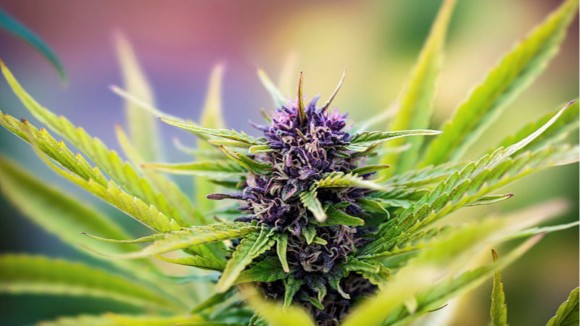
Indoor cannabis cultivation offers several advantages over outdoor growing. It gives you complete control over light, temperature, humidity, and airflow, enabling you to create the perfect environment for your plants. This can lead to better potency, higher yields, and more consistent results. Additionally, indoor growing is discreet and allows for year-round production regardless of the weather outside.
Choosing the Right Space
Before you begin your cannabis growing journey, one of the first and most crucial steps is selecting the right indoor space. This area will serve as the controlled environment where your plants will grow, so it needs to be carefully planned and suited to your goals, experience level, and available resources.
Your indoor grow space can take many forms depending on the room you have available. Common options include a spare room, closet, basement corner, attic, grow tent, or even a custom grow box. Each has its pros and cons. For instance, a closet or small room offers discretion and easy access, while grow tents are specifically designed for indoor cultivation and come with reflective interiors, ventilation ports, and structured frames, making them ideal for beginners and experienced growers alike. Custom grow boxes, often built from furniture or cabinets, can also be a stealthy and space-saving choice.
The most important factor is that your grow area should be fully enclosed. This allows you to control all vital environmental conditions such as light, temperature, humidity, and airflow. It also helps contain the strong odor cannabis plants can produce, especially during flowering. A closed environment makes it easier to keep pests out, prevent light leaks that could stress your plants, and create a stable climate for healthy growth.
Size matters—and when it comes to indoor growing, bigger isn’t always better, especially for beginners. The size of your grow space directly impacts how many plants you can cultivate, how much equipment you’ll need, and how much maintenance will be required. If you’re new to growing cannabis, it’s smart to start small, perhaps with just one to three plants. This will give you the chance to learn how the plants respond to their environment without becoming overwhelmed.
Additionally, think about access. Your space should allow you to easily reach all sides of your plants for watering, pruning, and inspection. It should also be located near a power source, as grow lights, fans, humidifiers, and other equipment will require electricity. Some growers also install water lines or keep water containers nearby to simplify irrigation.
Another consideration is privacy and discretion. Cannabis cultivation may be legal where you live, but it’s still a good idea to keep your grow area private. Choose a space where noise from fans and lights won’t bother others in your home, and where the smell won’t easily escape. Soundproofing and carbon filters can help with this.
In short, the space you choose sets the foundation for everything that follows. Whether you’re growing a single plant in a cabinet or filling a tent with multiple strains, your ability to control the environment and scale up gradually will make all the difference. Choose wisely, plan carefully, and set yourself up for success from day one.
Also Read: How to Stay Compliant with Cannabis Regulations for Dispensaries and Retailers in Canada
Lighting: The Heart of Indoor Growing
Cannabis plants require a lot of light to grow healthy and produce buds. When growing indoors, you need to replicate sunlight using grow lights. There are several types of grow lights to consider:
- Fluorescent lights (CFLs or T5s) are good for beginners and small grows.
- High-Intensity Discharge (HID) lights, including Metal Halide (MH) and High-Pressure Sodium (HPS), are powerful and effective.
- LED grow lights are energy-efficient, long-lasting, and provide a full light spectrum suitable for all growth stages.
Ensure your plants receive 18-24 hours of light per day during the vegetative stage and 12 hours during the flowering stage.
Temperature and Humidity Control
Cannabis plants thrive in a temperature range of 70-85°F (20-30°C) during the day and slightly cooler temperatures at night. Too much heat or cold can stress your plants and stunt growth. Humidity is also critical:
- Seedling stage: 65-70% humidity
- Vegetative stage: 40-70% humidity
- Flowering stage: 40-50% humidity
- Final weeks: 30-40% humidity
Use fans, air conditioners, humidifiers, or dehumidifiers to maintain optimal conditions.
Choosing the Right Strain
Selecting the right cannabis strain is one of the most important decisions you’ll make when planning an indoor grow. The strain you choose will determine not only how your plants grow, but also how they respond to your environment, how long they take to mature, what kind of yield you can expect, and the type of experience or medicinal benefits the final product provides.
When growing indoors, space is often limited, so plant size becomes a critical factor. Some strains can stretch to several feet during the flowering stage, which can be challenging to manage in smaller grow tents or rooms. In general, Indica strains are preferred for indoor cultivation because of their compact, bushy structure. These plants tend to stay short and wide, making them easier to control under artificial lighting and in confined spaces. Indicas are also known for their relaxing, body-focused effects, which appeal to many medical and recreational users.
Sativa strains, on the other hand, tend to grow tall and lanky with longer flowering periods. While they can certainly be grown indoors, they often require advanced training techniques and more vertical space. However, they are favored by those who seek energizing, cerebral effects. If you have ample space and are willing to put in the extra effort, a Sativa can still thrive indoors.
Autoflowering strains are especially beginner-friendly and well-suited for indoor grows. Unlike photoperiod strains, which depend on specific light cycles (e.g., 12 hours of darkness) to trigger flowering, autoflowering plants start flowering automatically after about 2-4 weeks of growth, regardless of the light schedule. This makes them ideal for growers who want a faster, more forgiving cultivation cycle. Autoflowers are typically smaller in size and have shorter life cycles, allowing for multiple harvests in a single season.
Another important consideration is flowering time. If you’re looking for quicker results, choose a strain with a shorter flowering period (often 7–9 weeks). This allows you to cycle through grows more rapidly. Strains with longer flowering periods may yield more or offer unique terpene profiles but require more patience and consistent care.
Lastly, consider the desired effects and medical benefits of your chosen strain. Are you seeking pain relief, anxiety reduction, better sleep, or a creative boost? Whether you’re cultivating for personal use or sharing with others, the chemical makeup of the strain—including its THC and CBD levels, as well as its terpene profile—should align with your goals.
In short, choosing the right strain involves a balance between your growing environment, experience level, and desired outcomes. Doing a little research on seed banks and strain reviews, and starting with a few trusted, beginner-friendly varieties, can set you up for success and a more enjoyable growing experience.
Soil vs. Hydroponics
You can grow cannabis in soil or hydroponic systems. Each has its pros and cons:
- Soil is more forgiving and easier for beginners. Use high-quality organic soil with good drainage.
- Hydroponics involves growing plants in nutrient-rich water. It can lead to faster growth and bigger yields but requires more knowledge and equipment.
Nutrients and Watering
Cannabis plants need essential nutrients: nitrogen (N), phosphorus (P), and potassium (K), along with micronutrients like calcium, magnesium, and sulfur. Use cannabis-specific fertilizers and follow the feeding schedule carefully to avoid nutrient burn or deficiencies.
Water your plants when the top inch of the soil feels dry. Overwatering is a common mistake, so ensure your pots have good drainage and don’t let the roots sit in standing water.
Airflow and Ventilation
Proper airflow is essential for healthy cannabis plant growth and is often one of the most overlooked aspects of an indoor grow setup. When air does not circulate efficiently, it can create pockets of high humidity and temperature, which provide the perfect environment for mold, mildew, and pest infestations. Stagnant air also limits the exchange of gases that plants need to thrive—such as oxygen, carbon dioxide, and water vapor—ultimately stunting growth and reducing yields.
To maintain optimal airflow, it’s important to use oscillating fans within your grow room. These fans continuously move air across the plant canopy and around the space, preventing hot spots and helping to strengthen plant stems by mimicking natural wind. Stronger stems lead to more robust plants that are better able to support the weight of buds during flowering.
In addition to internal circulation, a proper ventilation system is crucial. An exhaust fan equipped with a carbon filter should be used to remove stale, warm, and humid air from the grow area. This not only reduces the chances of mold and mildew but also helps to manage odor—an important consideration for growers who require discretion. At the same time, an intake fan or passive intake vents should be used to bring in fresh air rich in CO₂, which is vital for photosynthesis and healthy growth.
A well-balanced airflow system also helps maintain temperature and humidity levels within ideal ranges. Many growers aim to exchange all the air in their grow room every 1-3 minutes, depending on the size and number of plants. Monitoring airflow and keeping all fans and filters clean and in good working condition ensures a thriving, disease-resistant grow environment.
Training Techniques to Maximize Yield
To get the most out of your indoor grow, you can train your plants using techniques such as:
- Topping: Cutting off the top of the plant to encourage bushier growth.
- Low-Stress Training (LST): Gently bending branches to expose more buds to light.
- Screen of Green (ScrOG): Using a screen to spread out plant growth and maximize light exposure.
These techniques help increase light penetration and airflow, leading to larger yields.
Monitoring and Adjusting
Regular monitoring is a fundamental part of successful cannabis cultivation, especially in an indoor environment where the grower is fully responsible for creating and maintaining the ideal conditions. Unlike outdoor grows that rely on nature, indoor setups require constant attention to ensure the plants thrive through every stage of their lifecycle.
To begin with, investing in basic monitoring tools is essential. Thermometers and hygrometers allow you to track temperature and humidity levels, which are crucial factors in plant health. Even slight deviations from optimal ranges can impact plant growth, so these tools help you maintain consistency. For instance, if humidity gets too high during the flowering stage, it can promote mold and bud rot, while low humidity during early growth can slow development. Keeping a close eye on these metrics lets you make timely adjustments before issues arise.
Another vital tool is a pH meter, which ensures that the nutrient solution and soil stay within the correct pH range—generally between 6.0 and 7.0 for soil, and 5.5 to 6.5 for hydroponic systems. Incorrect pH levels can lock out nutrients, leading to deficiencies even if you’re providing the right fertilizers. Regularly testing and adjusting pH ensures that plants can absorb the nutrients they need to grow vigorously.
Beyond environmental readings, visual inspections of your plants are just as important. You should check your plants daily for any signs of stress, pests, disease, or nutrient deficiencies. Look for yellowing leaves, spotting, curling, or any other irregularities. Early detection can be the difference between a minor issue and a full-blown infestation or plant loss.
It’s also essential to adjust your environment and nutrient levels as plants progress through different stages of growth. Seedlings have different needs than flowering plants, so being in tune with your plant’s development stage helps you provide the most appropriate care. For example, during the vegetative stage, plants require more nitrogen, while during flowering, they need more phosphorus and potassium.
Lastly, keeping a grow journal or using a grow management app can be incredibly helpful. Record temperature, humidity, watering schedules, nutrient feeding, and any changes or observations. This record-keeping allows you to identify patterns, refine your process, and avoid repeating mistakes in future grows.
In essence, regular monitoring isn’t just about watching your plants—it’s about understanding them, responding to their needs, and continuously improving your environment to produce the best possible results.
Harvesting and Curing
Harvesting at the right time is crucial for potency and flavor. Look for signs like amber-colored trichomes and red or brown pistils. Cut the plants and hang them upside down in a dark, cool, and well-ventilated space to dry.
After drying, cure the buds by placing them in airtight jars and opening them daily to release moisture. Curing enhances flavor, smoothness, and potency, and can take 2-4 weeks.
Legal Considerations
Before growing cannabis indoors, it’s essential to understand your local laws. Some regions allow home cultivation for medical or recreational use, while others may have restrictions or prohibitions. Always comply with legal requirements to avoid penalties.
Conclusion
Growing cannabis indoors is a rewarding experience that offers control, discretion, and high-quality results. With the right setup, knowledge, and care, even beginners can successfully cultivate healthy, potent plants. As interest in home cultivation continues to rise, indoor growing represents a practical and fulfilling way to enjoy the many benefits of cannabis from the comfort of your own home.